Source Blue And White Modern Luxury Tea Glasses For Hotels
Explore 30 listings for blue and white modern luxury tea glasses suitable for hotels, restaurants, and home use. Compare features like glass material, capacity, and customization options to find the right fit for your business needs; compare the available evidence and request quotations based on your requirements.
Key considerations
Products List







Comprehensive Sourcing Guide
Blue and White Modern Luxury Tea Glasses Sourcing Guide
Blue and white modern luxury tea glasses sit at the intersection of drinkware manufacturing and decorative tableware, and buyers should treat them as a category with two overlapping supply bases: glassware producers and gift-and-tableware trading houses. Before issuing inquiries, define whether your requirement centers on functional drinking vessels, decorative serving pieces, or a hybrid design intended for hospitality presentation. That decision shapes which production lines can realistically fulfill your order, because decorative finishing such as applied color bands, decal work, or hand-painted motifs often requires different tooling than plain transparent glassware.
This guide structures the sourcing process around verifiable product attributes rather than marketing language. Categories like this frequently mix closely related products in the same listing pool — for instance, champagne glass and eyewear listings can appear alongside tea glass results — so disciplined specification writing is the buyer's first defense against mismatched quotations. Each section below addresses one stage of the procurement cycle, from scoping the product category through technical verification, compliance review, commercial negotiation, supplier qualification, and the checks that protect repeat orders over a multi-year relationship.
Product Scope and Observed Listing Signals
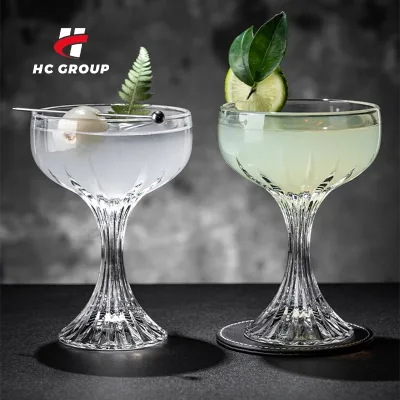
Observed listings in the broader product pool include glass items such as "Novel Champagne Glasses" (model WSJ279), described as tapering glass, reusable, hand-wash-only, packaged in boxes, with a stated 315g standard, a capacity under 200ml, transparent glass type, and customization with logo printing available. Origin attributes point to Fujian and Guangdong, China. These signals confirm that Chinese glassware clusters actively produce decorated, reusable drinking glass products with customization support, which is directly relevant to blue and white luxury tea glass sourcing.
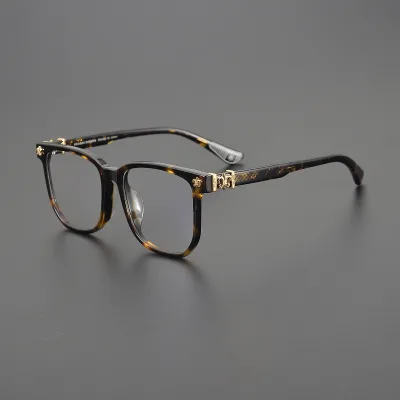
Buyers should also note signals that do not belong to this category: eyewear attributes such as acetate or alloy frames, blue light filtering claims, and prescription eyewear use appear in the same listing pool. This illustrates why keyword-based sourcing returns noise, and why every candidate supplier must confirm in writing that their product is drinking glassware, not an unrelated item sharing listing metadata. When screening responses, treat the presence of a real model number, stated capacity, weight standard, and packing format as baseline evidence that a supplier genuinely manufactures or stocks the item, and discount listings lacking any of these concrete attributes.
Technical Specifications to Verify
Capacity is the anchor specification for tea glasses, and observed listings confirm sub-200ml capacities are in active production for this product family. Verify with your supplier whether the capacity is measured to the brim or to a practical fill line, since decorative rims and tapering profiles can create a meaningful gap between the two. Also confirm wall thickness and base weight: the 315g figure attached to one observed glass product suggests that single-piece weight is a tracked standard in this category, and it is a useful proxy for perceived luxury quality. Request a physical sample to judge whether the weight distribution feels premium in hand.
For blue and white decoration specifically, ask which decoration method applies: food-contact-safe decal, spray coating, ion plating, or hand painting. Each method differs in durability through repeated washing, and given that observed listings specify hand-wash-only care, confirm the decoration survives the expected number of wash cycles for your market. Verify color consistency across a production batch, since cobalt blues are notoriously variable between kiln runs. Finally, confirm glass material composition — whether soda-lime or borosilicate — and thermal shock tolerance, since tea service involves hot liquid contact that distinguishes tea glasses from champagne flutes.
Compliance and Safety Documentation
One observed product in the pool carries a ROHS certification attribute, which relates to restriction of hazardous substances but is not itself a food-contact safety certificate. For drinking glassware, buyers should independently request documentation relevant to food-contact safety: lead and cadmium migration limits for the decorated surfaces, since blue pigments and metallic rim decorations are the primary risk points in colored glassware. Do not assume that ROHS listing implies food-contact compliance; ask the supplier to identify which specific tests their product has passed and request the test reports by name and date.
Because observed origin attributes point to Fujian and Guangdong, China, and customs code 7013370000 (glass drinking vessels) appears in the listing data, confirm with your customs broker that the declared HS code matches your destination market's tariff treatment. Depending on your destination, additional market-entry requirements may apply for decorated food-contact glassware — verify these with your importer of record rather than relying on supplier assertions. Request material safety documentation covering the glass body and any decoration layers separately, and keep certificates on file per production batch, since decorated glassware lines can change pigment suppliers without notifying downstream buyers.
Cost Drivers and Commercial Terms
Decoration complexity is the dominant cost driver in this category. Plain transparent glass with a printed logo — the customization model described in observed champagne glass listings — sits at the low end, while multi-color blue and white decals, gilded rims, or hand-painted detailing escalate unit cost through added labor, rejection rates, and longer production times. MOQ flexibility also varies: observed listings show MOQs from single units to 2000 pieces across the pool, and one glass product lists a 50pcs MOQ, suggesting decorated glassware may be accessible at moderate trial quantities. Negotiate MOQ against your decoration specification, not against the plain-glass baseline.
Observed price signals in the pool span roughly 0.36 to 42 USD, which reflects the mixed category content more than a reliable range for tea glasses. Do not treat those figures as market benchmarks. Instead, build your cost model around confirmed quotations that itemize: unit price at your target quantity, decoration setup fees, sample costs, packaging (box packing is described in the pool; confirm whether individual boxes or multi-packs apply), and freight terms. Ask whether quoted prices assume safe-shipping packaging for export, since glass breakage in transit is a real cost that inadequate packing converts into claims and replacements.
Supplier Qualification and Quality Control
Qualify suppliers through a staged process. Begin with a written specification sheet covering capacity, weight, dimensions, decoration method, packing format, and care instructions, then request samples produced to that sheet rather than stock items. Observed listings show customization and OEM arrangements are welcomed in this supply base, so a capable supplier should accept a buyer specification without resistance. During sampling, evaluate the blue tone against your target Pantone or physical reference, check decoration alignment and edge quality, and subject samples to repeated hand washing to observe decoration durability before committing to production.
For production orders, define an inspection protocol before deposit payment. Key checkpoints include: incoming glass body inspection for bubbles, seams, and weight variance; decoration application checks for color consistency, position accuracy, and adhesion; and final packing verification for protective materials and carton drop performance. Given origin concentrations in Fujian and Guangdong, third-party inspection services operate cheaply in these clusters, and an inline inspection during decoration application catches systemic color problems before full-run completion. Agree on AQL sampling levels and defect classification in writing, and specify that rejected units are replaced or deducted before balance payment rather than settled through post-shipment disputes.
Long-Term Procurement Checks
Sustained supply of decorated glassware depends on consistency across production runs, so build repeat-order checks into your contract. Require that each new batch ships with retained reference samples from the approved production run, so color drift in the blue pigment or changes in glass weight become detectable and negotiable rather than discovered by your customers. Re-confirm specifications in writing at every reorder — particularly capacity, single-unit weight (such as the 315g-type standards observed in the pool), and packing configuration — because factories quietly adjust these when material costs shift. Track defect rates per shipment to create an evidence base for supplier reviews.
Diversification and relationship management complete the long-term picture. Maintain at least one qualified alternate supplier in a different production cluster, since regional disruptions in Fujian or Guangdong can idle a single-source program. Revisit compliance documentation annually, because pigment suppliers and test report validity change over time, and request updated food-contact test reports rather than recycling year-old certificates. Finally, monitor your care-instruction messaging — hand-wash-only requirements observed in this category should remain consistent across your packaging, listings, and marketplaces — and reconcile any customer breakage or decoration-failure complaints against your defect data to decide whether specifications or suppliers need adjustment before the next order cycle.
FAQs
What materials are used for these luxury glasses?
The glasses are crafted from high-quality transparent glass, ensuring clarity and durability for daily use. The frame material is specified as alloy, providing a sturdy structure. Some variants may incorporate acetate or copper alloy components for added style. This combination of materials supports the luxury aesthetic while maintaining practical resilience for bar, hotel, or home environments.
Can I customize the logo on these glasses?
Yes, customization is available for these products. Buyers can request a customized logo to be applied to the glassware. This service is welcomed for OEM orders, allowing businesses to brand their inventory effectively. The customization option supports unique design requirements, making these glasses suitable for specific corporate events or branded hospitality settings.
What is the minimum order quantity for these items?
The minimum order quantity is typically 50 pieces. This MOQ allows buyers to test the market or fulfill small-scale orders efficiently. While some listings may show ranges from 1 to 2000, the standard baseline for ordering is 50 units. This threshold balances cost-effectiveness for suppliers with accessibility for new buyers seeking luxury glassware.
How should I clean and maintain these glasses?
These glasses require hand washing only to preserve their finish and structural integrity. Avoid using harsh chemicals or abrasive scrubbers that might damage the glass or frame. Proper care ensures longevity and maintains the luxury appearance. Following these nursing instructions helps prevent scratches or cloudiness, keeping the transparent glass clear and the alloy frames looking pristine.
Are these glasses suitable for general face shapes?
Yes, the glasses are suitable for general use, including square faces. The design features a full frame with a rectangular shape, offering a fashionable and versatile look. The one-piece nose support ensures comfort for various users. These attributes make them appropriate for optical use or blue light filtering, catering to a broad audience seeking style and functionality.
What certifications do these products hold?
The products hold ROHS certification, indicating compliance with environmental standards for restricted hazardous substances. This certification ensures the materials used are safe and environmentally friendly. Buyers can rely on this standard for quality assurance. The focus on sustainable attributes aligns with modern sourcing preferences, making these glasses a responsible choice for global markets.